Friday, 25 January 2013

Session 6.1: Nanark Darbur - The Sikh Temple of Iloilo
Written by Kushmin Perera
Photographs by Melissa Chia
Photographs by Melissa Chia
Located in the corner of Mandurriao,Western Visayas, the Sikh temple of Iloilo -'Nanark Darbur'- is one of the very few non-Catholic/ Christian establishments in the province, and has stood for 50 years. With an incense-infused scent upon entrance, you are introduced to a completely new side of Iloilo- away from the countless churches and Dinagyang festival fever to a little touch of India. Initially, we were greeted by the devotees who were already present for their daily prayers, who instructed us to wear headscarves before entering. We were then directed towards the prayer chamber, where we all sat respectfully before the Guru Granth Sahib, the Sikh holy book.
Session 6.2: A Taste of Home, Our Langar Experience in Iloilo
Written by Anis Nadia Jilid
Photographs by Melissa Chia

Photographs by Melissa Chia

Granthi Amrik Singh offering us Karah Parshad
After the conclusion of the Q&A session, all of us were offered a sweet called karah parshad by Granthi. In Sikhism, this sweet is made with equal portions of whole-wheat flour, butter and sugar. It is offered to all visitors to the Darbar Sahib (main hall of the Gurdwara) and should not be refused when given. This is because the food itself is regarded as having been blessed, and as a sign of humility and respect, visitors accept the karah parshad while sitting and their hands raised and cupped. The offering and acceptance of this food is an important part of hospitality customs in Sikhism.
The Fluvial Procession-ish
Written by Esther Ho
Photographs by Sarah Choong
So close, but no cigar.
The guards stopped us just as it came our turn to board the last of the 150 boats that will join the fluvial procession welcoming Santo Niño. What a pity, we thought as we watched the rest of the boats sail away to spirited drumbeats and salutary fire crackers. Maybe we should have come in suits, like Hermana and Hermano Mayor. Or maybe in costume, since several boats featured Ati tribe dancers, an entourage in Spanish getup and even beauty queens in their elaborate gowns and sparkling platform stilettos. Or maybe we should have come hours earlier instead of arriving punctually, and saved ourselves some of the wild jostling of people with Santo Niño figurines across the narrow pier hacked rough and ruined by daily port traffic. No matter, it was worth the try, and our guide Peter told us that we could simply catch up with the procession on land.

Boats heading out to the Fluvial Procession

Beauty queens preparing to board the boat
Traditional Ati Dance Performance
Written by Lestari Hairul
Photographs by Melissa Chia

An Ati man in full costume
When we visited the Ati community of Guimaras Island on Tuesday, the village chief had told us of a presentation of authentic Ati culture at the Dinagyang festival when we related our experience of a ‘tribe’ rehearsal at the Freedom Grandstand. The chief was emphatic that the tribal dance competition portrayed nothing of true Ati culture and wanted us to witness what they truly have to offer in performance. Thus we were invited to watch the dance presentation on Friday.
Thursday, 24 January 2013
Urban Poor: Editor's Note
For our journey to meet Iloilo's urban poor, we split up into three groups that would go to different sites accompanied by representatives from KADAMAY. At the end of our three separate journeys, we met up at a central point to discuss all that we had seen and experienced. The three articles that follow are the reports from the leaders of the three groups who were instructed to conduct interviews with members of the community at their respective sites.
Session 5.1: The Urban Poor of Iloilo : North Baluarte & the Sooc Project 5 Site
Written by Sheril A. Bustaman
Photographs by Joyce Ng and Jonathan Lim
Iloilo is a vibrant thriving city that is developing at its own pace. Hidden within the developing city however are squatter areas and project sites populated by the urban poor. On the sixth day of our journey, the travellers split into three different groups to visit the places where the urban poor lived and worked. This article is about two such areas: North Baluarte and the Sooc Project Site.
Session 5.2: The Cast outs of Iloilo City
Written by Traceline Choo
Photographs by Melissa Chia
Jaro is one of the areas where relocation sites in Iloilo city are located. Relocation sites are places where citizens are placed when their houses are demolished for urban development purposes by the government. But, as organizations like Kadamay would agree, these citizens are not given attention by the government and most of them are facing financial problems and lack access to clean water.
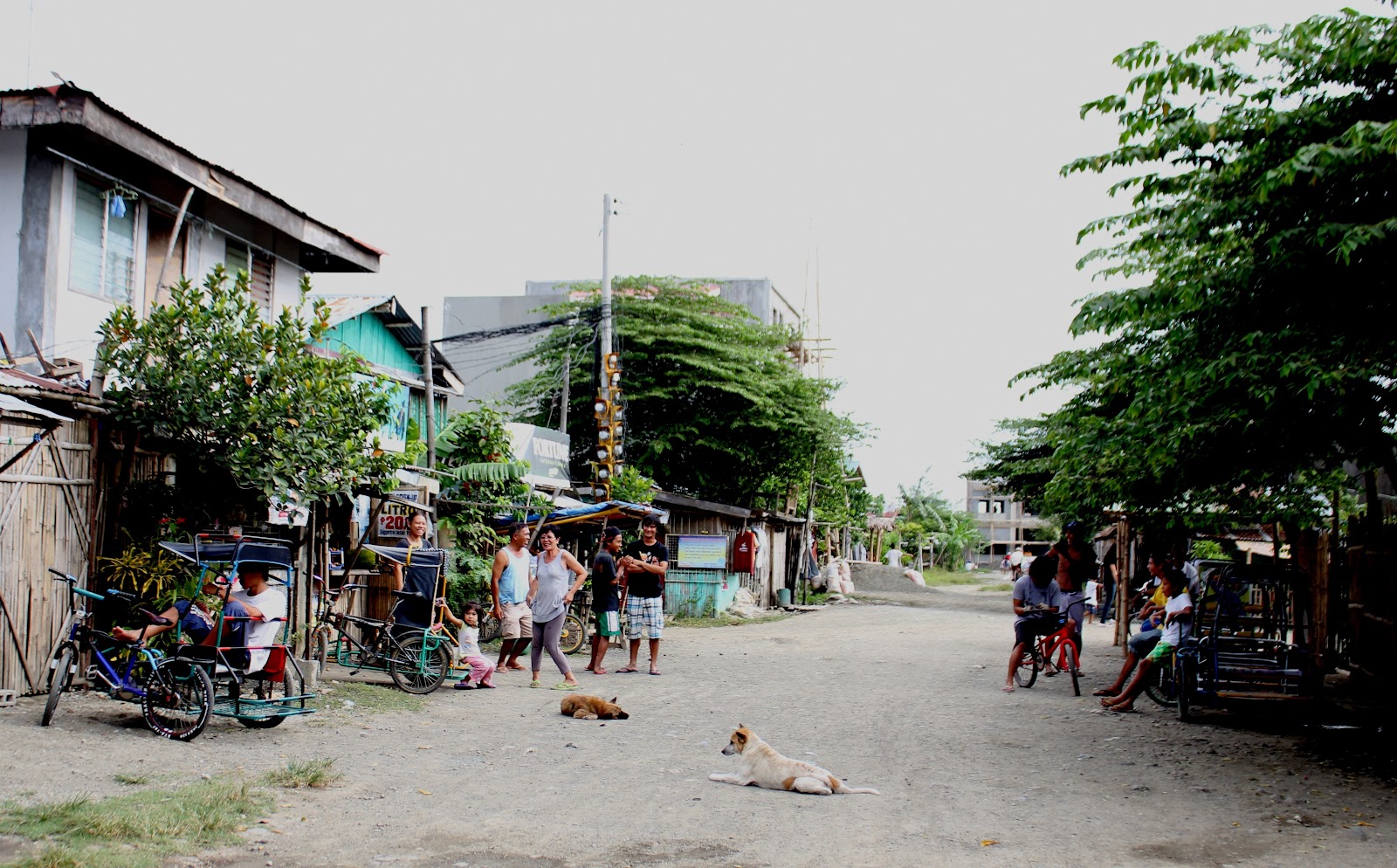
The San Isidro Jaro relocation
Session 5.3: Down in the Dumps
Written by Sarah Chong
Photographs by Sarah Chong

Photographs by Sarah Chong

As Iloilo city continues to develop into a beautiful city, urban poor communities are caught in the middle of things-often, they are displaced and relocated by the urban planning efforts of the local authorities. With the assistance of Kadamay, our group of 10 were able to take a walk through the urban poor area of the dumpsite and slums in Calajunan, Mandurriao and Lapuz Norte, Lapuz respectively.
Subscribe to:
Posts (Atom)